
July 15, 2025
Bridging the Gender Wage Gap in the Maldives
The Maldives, a nation known for its natural beauty and growing economy, has taken meaningful steps toward gender equality.
The Maldives, a nation known for its natural beauty and growing economy, has taken meaningful steps toward gender equality.
Abstract
Abstract
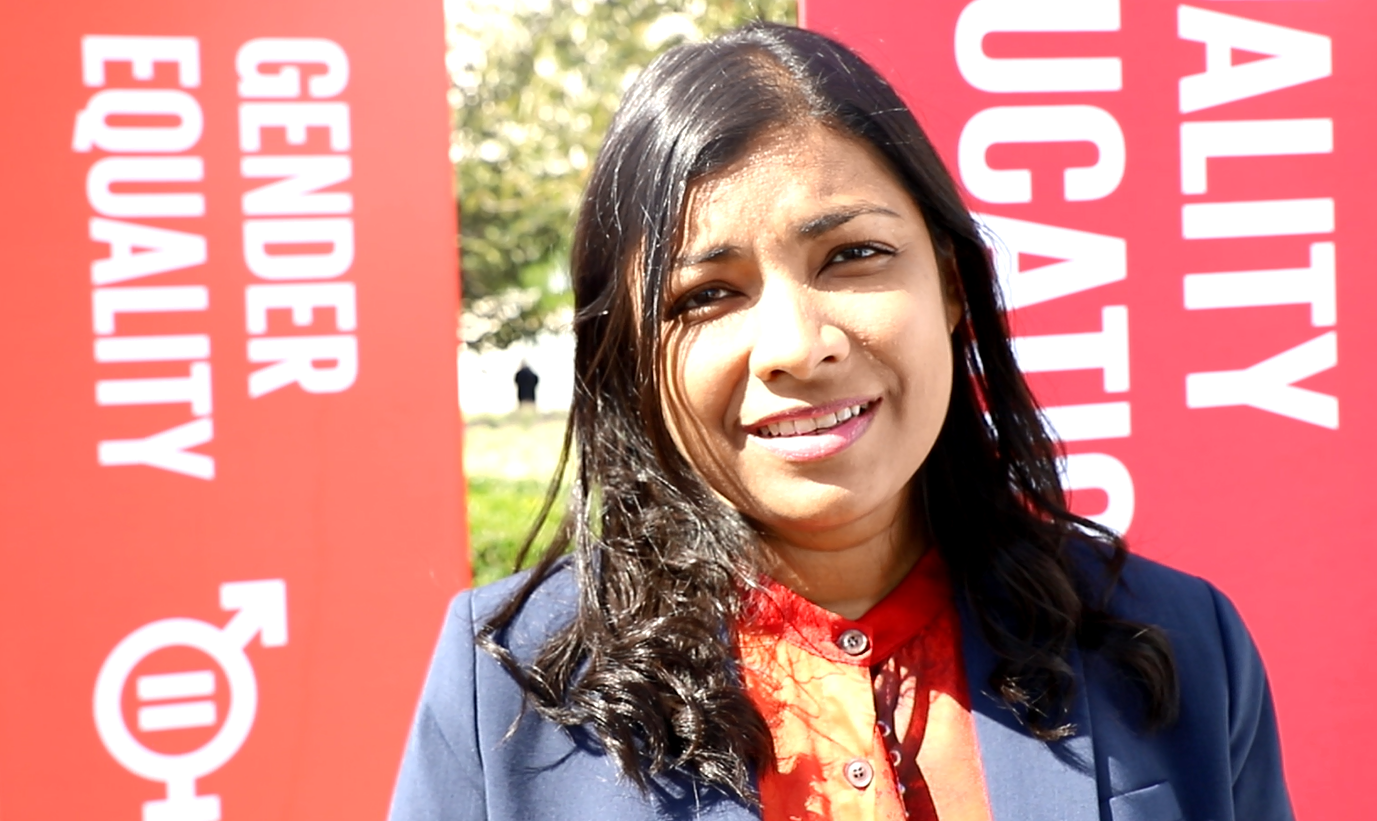

The Elections Commission and political parties have agreed to introduce a quota to increase the number of women in leadership posts.

The newly elected president of Maldives announced that 6 women will be part of the newest cabinet of Maldives. This marks the first time that the cabinet holds almost an equivalent number of women in the Maldives.
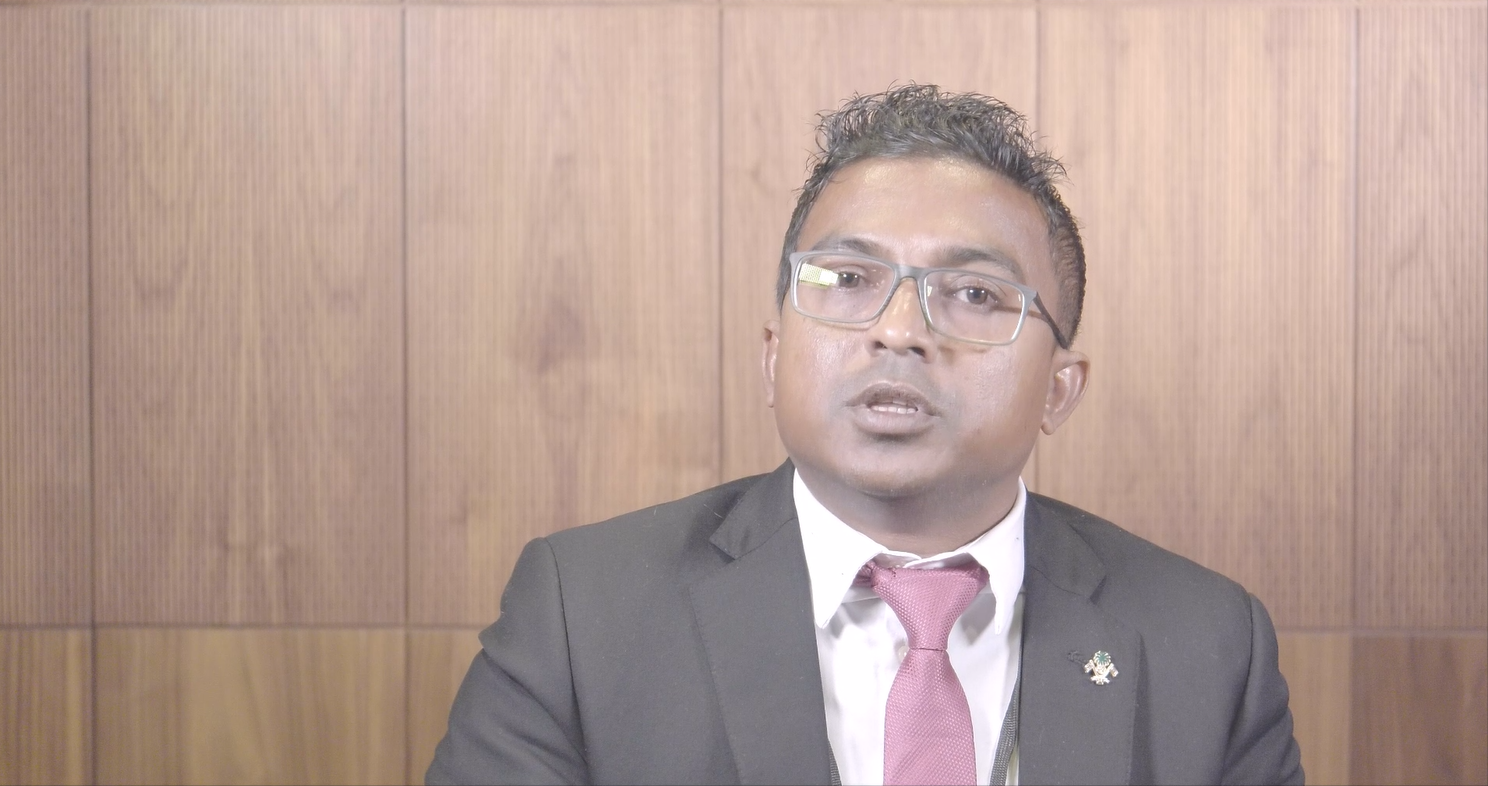

The United Nations in Maldives and

| Quota Information | Parliament Information | ||
|---|---|---|---|
| Are there legislated quotas? | No | Structure of parliament | Bicameral |
| For the Single/Lower House? | No | >Current members | 87 |
| Percentage of women | 4.60% | ||
| Source: Gender Quotas Database | Source: New Parline | ||
The Maldives, a nation known for its natural beauty and growing economy, has taken meaningful steps toward gender equality.
The Elections Commission and political parties have agreed to introduce a quota to increase the number of women in leadership posts.
The newly elected president of Maldives announced that 6 women will be part of the newest cabinet of Maldives. This marks the first time that the cabinet holds almost an equivalent number of women in the Maldives.
The United Nations in Maldives and
Member of parliament Eva Abdulla, who belongs to Nasheed’s Maldivian Democratic Party (MDP) – which won power in May 2009, thus ending the 30- year-old reign of dictator Maumoon Abdul Gayoom – said the government firmly believes in affirmative action policies benefiting wome
Highlighting news, interviews, resources and events on violence against women in politics