
March 7, 2025
International IDEA at the CSW69 / Beijing+30
In 2025, the global community will mark the 30th anniversary of the Fourth World Conference on Women and the unanimous adoption of the
Advocacy and lobbying are activities that represent and promote the needs of specific groups in political and social arenas. One such group is women, who can collectively pressure their leaders for legislative reforms to protect and promote women’s rights and concerns. It is the goal of advocacy groups and lobbyists to ensure that both the public and politicians understand and support their cause, so that it gains strength and credibility. Securing rights and gains for women requires coalition-building, funding, civic education, awareness-raising and individuals willing to lead the way.
While the goals of advocacy and lobbying are similar, the processes are distinctly different. Advocacy involves gaining and exercising power to influence a political action. Employing methods such as demonstrations, public campaigns and civic education, advocacy can be the primary mission of international agencies and civil society organizations seeking to influence global and national decision makers. Women worldwide frequently organize themselves for advocacy purposes, drawing on their collective power to affect legislation, official policies and governmental programs. Lobbying, however, refers to influencing the government and its leaders. Lobbyists attempt to sway policy makers and legislators to address specific issues, often by introducing or revising legislation and policy. Lobbying activities may include private meetings with decision makers, public campaigns and demonstrations.
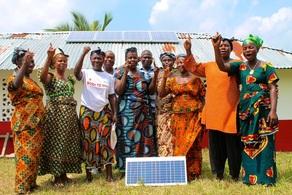
In 2025, the global community will mark the 30th anniversary of the Fourth World Conference on Women and the unanimous adoption of the
International IDEA’s commitment to promote women’s empowerment and gender equality is at the core of the Institute’s mandate to advance, promote and protect sustainable d


Women’s participation in politics and leadership remains low in African countries due to various factors, including online harassment and a patriarchal system that hinders their involvement.


MANGWE Rural District Council proportional representation Councillor Simphiwe Vuyelwa Mguni is among the Zimbabwean representatives attending the Southern Africa Academy for Young Women’s Empowerment in Malawi.

The National Forum on Women in Politics brought together diverse voices to explore how Temporary Special Measures (TSMs) can foster inclusive governance in Fiji.

Bradley Yombon, the Papua New Guinea Pacific regional Representative for the Commonwealth Students Association, has called on women in the country to actively participate in politics.
The Women and Youth Democratic Engagement (WYDE) Women’s Leadership Initiative convened a Southern African Young Women´s Empowerment Academy in Malawi between 1
