Elections
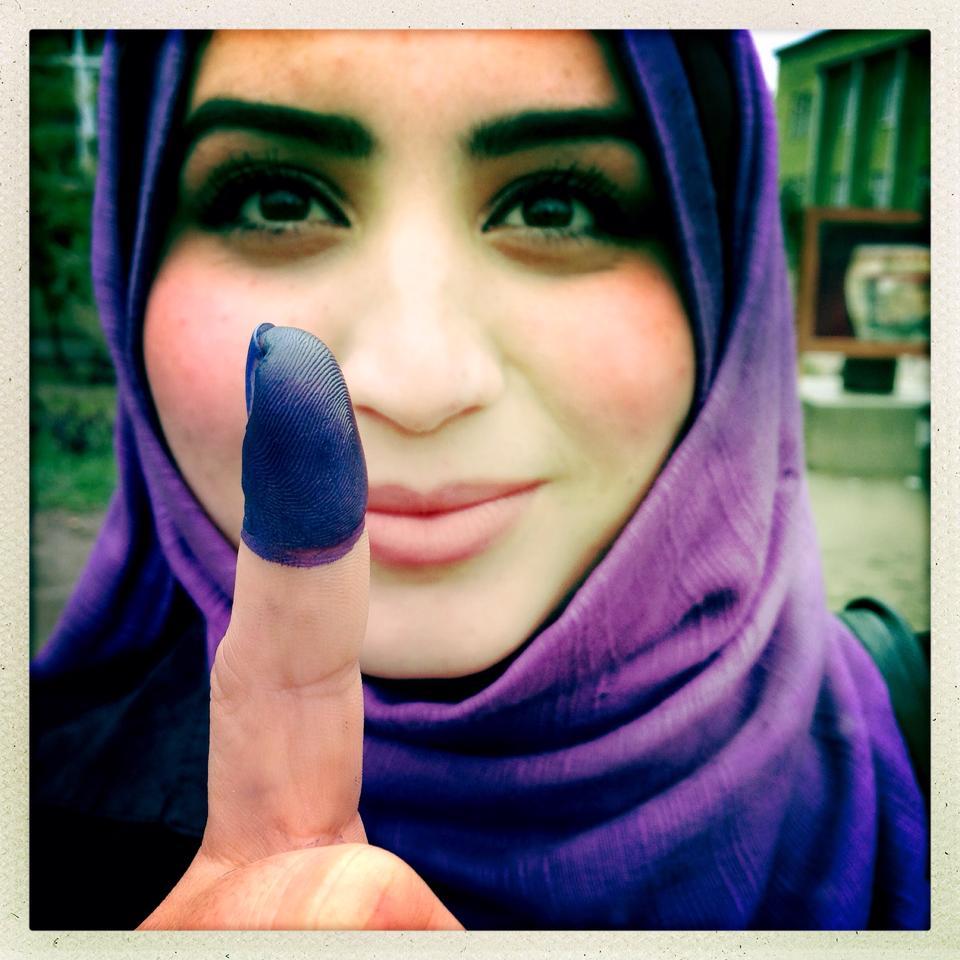
The right to vote and the right to stand for election are two fundamental elements of democracy. Notably, many countries did not afford women the right to vote until the 20th Century. Even today, universal suffrage is not a given right in all countries, and women often face obstacles that undermine their participation in political and electoral processes. There are various ways to support women in overcoming these obstacles. Such methods include revising the electoral system used, applying affirmative action mechanisms such as quotas, improving voter education for women and training political candidates. These are a few of the modes available to strengthen women’s political participation .Photo©Jens Franssen
Myriam Spiteri Debono, a notary and former parliamentary speaker, is set to become the 11th President of Malta on 4 April.
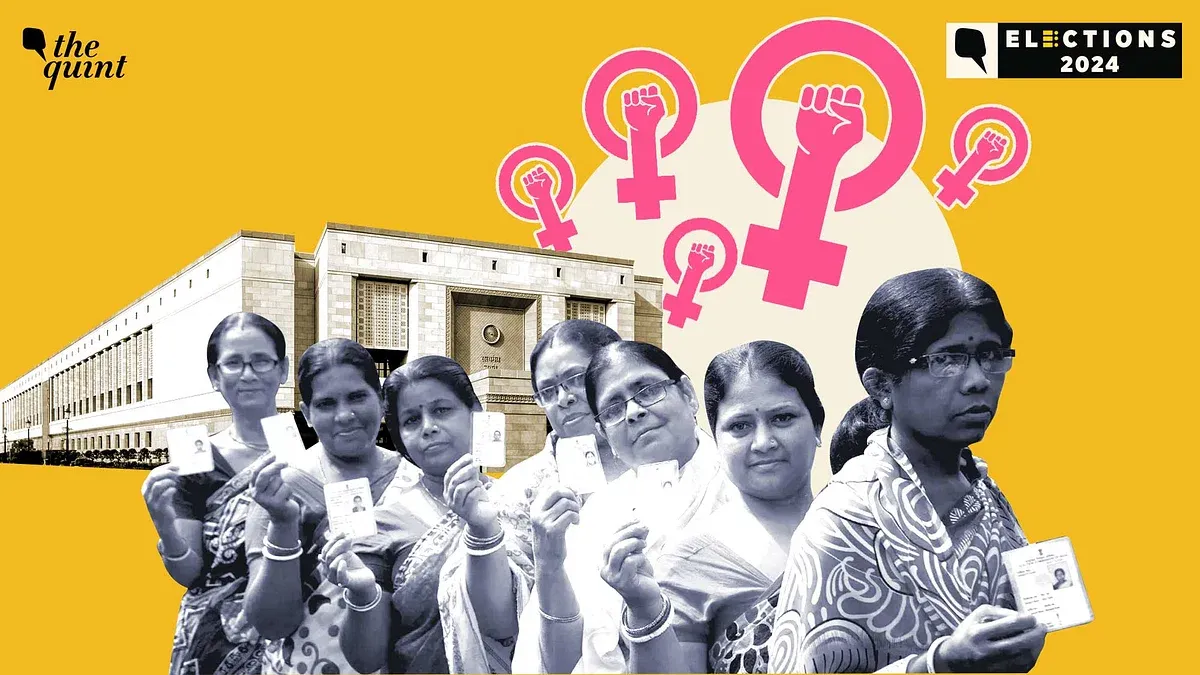
Women constituted only eight per cent of the total 2,823 candidates in the first two phases of the Lok Sabha elections, with political activists saying it
UN Women, on Wednesday tasked media practitioners and organisations to empower the female gender and promote its participation in politics.
As Togo prepares for the legislative and regional elections on April 29, 2024, a significant number of women are in the electoral race, defying traditional norms and expectations.
With more people set to vote in elections t
Election Briefing Series: Women in Politics
SEOUL, South Korea – When South Koreans elect a new parliament this week, the outcome will shape the next four years of the country's politics.
Pagination
- Previous page
- Page 24
- Next page