After the November 2020 national elections, women make up 49 per cent of the Legislative Assembly of the Plurinational State of Bolivia, cementing its position as a forerunner on gender parity in politics.
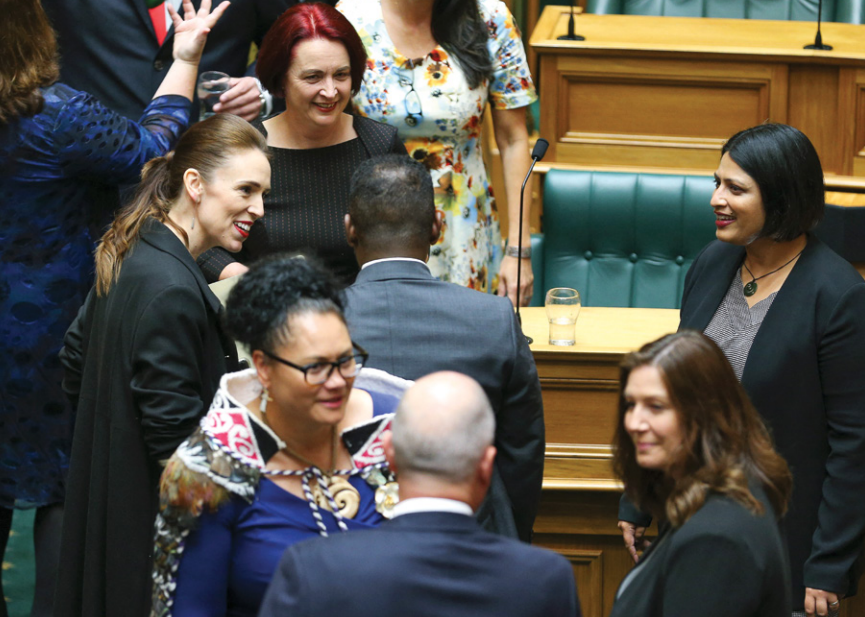
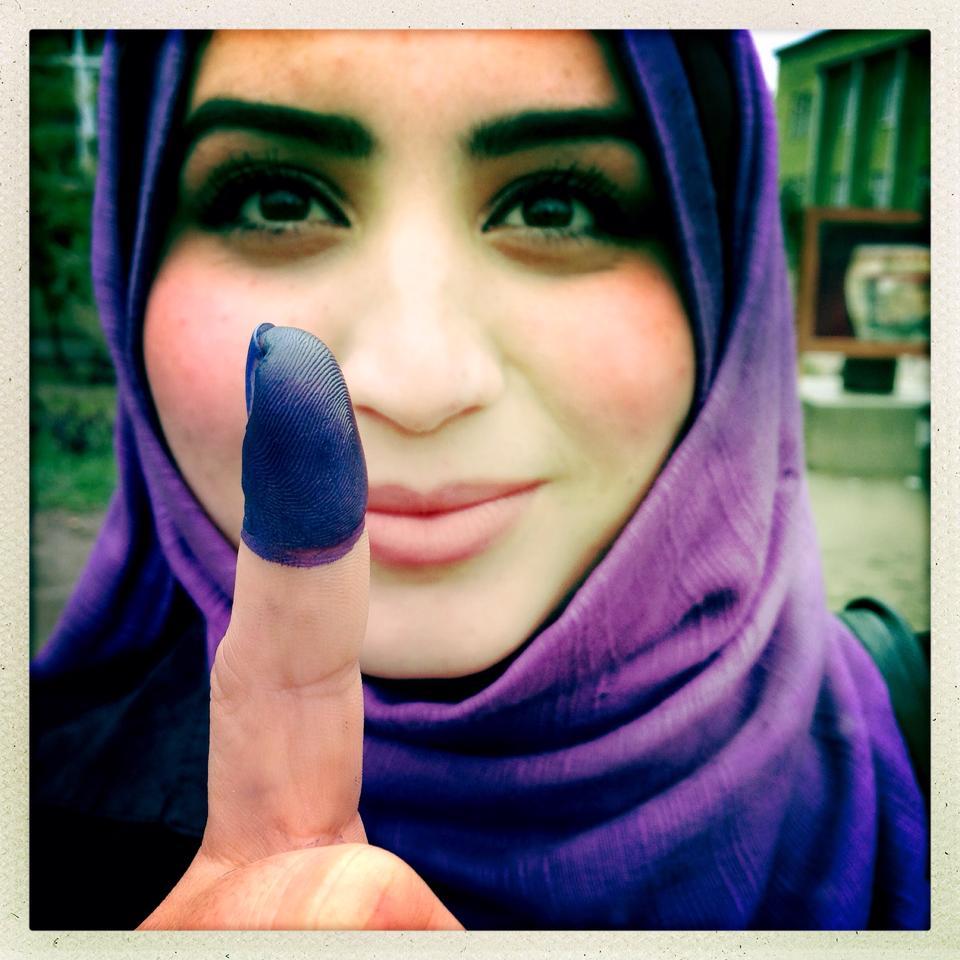
The right to vote and the right to stand for election are two fundamental elements of democracy. Notably, many countries did not afford women the right to vote until the 20th Century. Even today, universal suffrage is not a given right in all countries, and women often face obstacles that undermine their participation in political and electoral processes. There are various ways to support women in overcoming these obstacles. Such methods include revising the electoral system used, applying affirmative action mechanisms such as quotas, improving voter education for women and training political candidates. These are a few of the modes available to strengthen women’s political participation .Photo©Jens Franssen
After the November 2020 national elections, women make up 49 per cent of the Legislative Assembly of the Plurinational State of Bolivia, cementing its position as a forerunner on gender parity in politics.
A projected 30 women will enter the Israeli legislature, a record for an Election Day, but it appears female representation in parliament will remain roughly the same for the 24th Knesset as in past sessions.
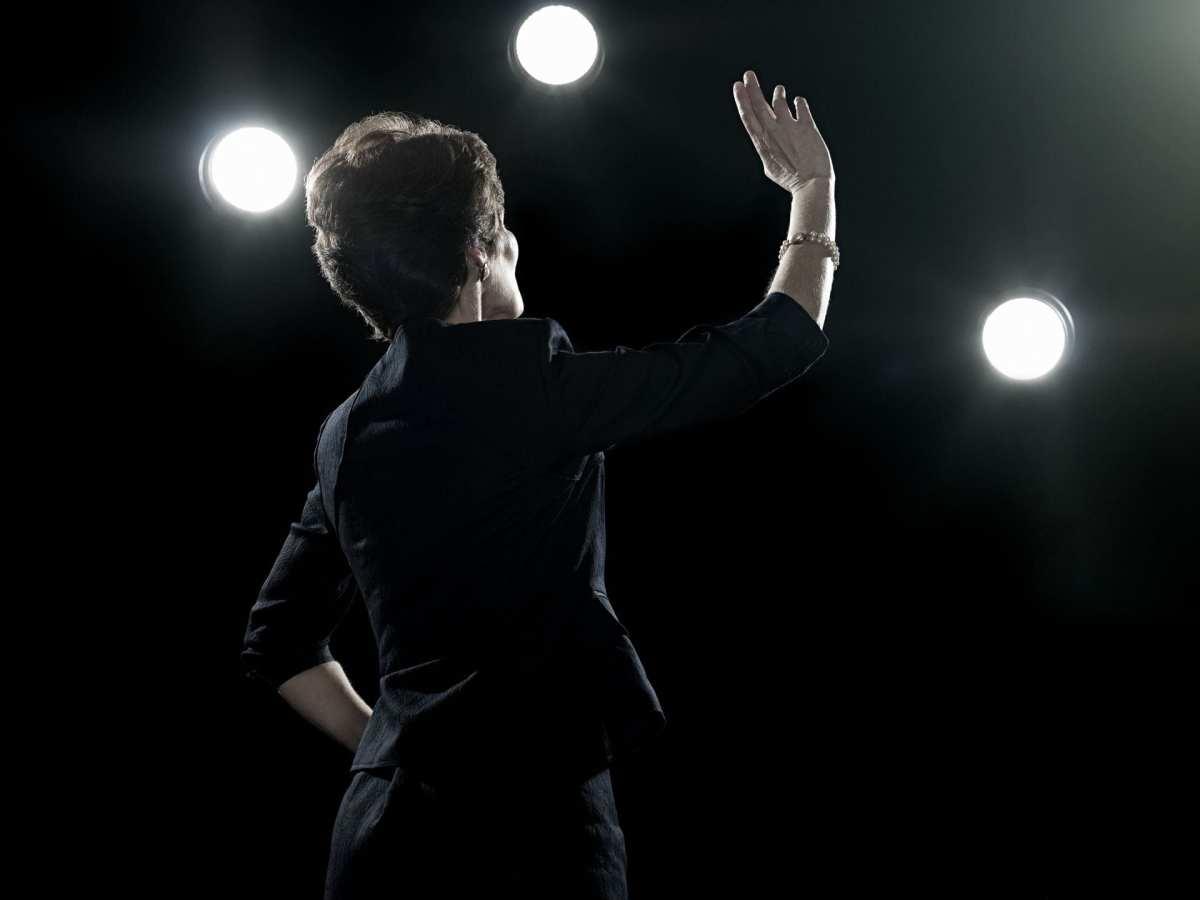
Women running for the Knesset have to overcome not only voters' gender stereotypes, but a media landscape that is heavily skewed in men's favor.
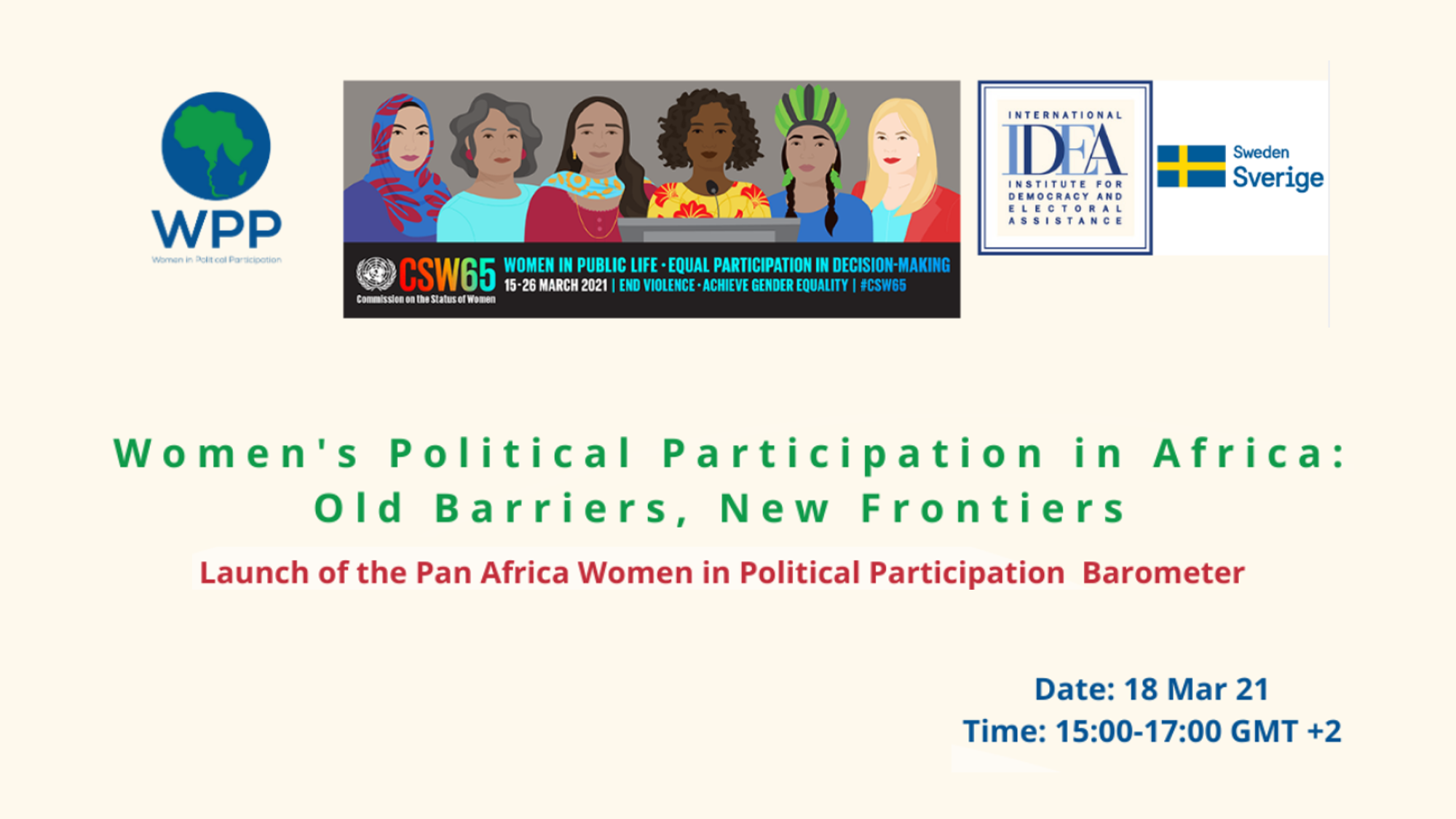
International IDEA will be hosting a CSW65 side event under the ambit of the CSW gathering entitled Women’s Political Participation in Africa: Ol
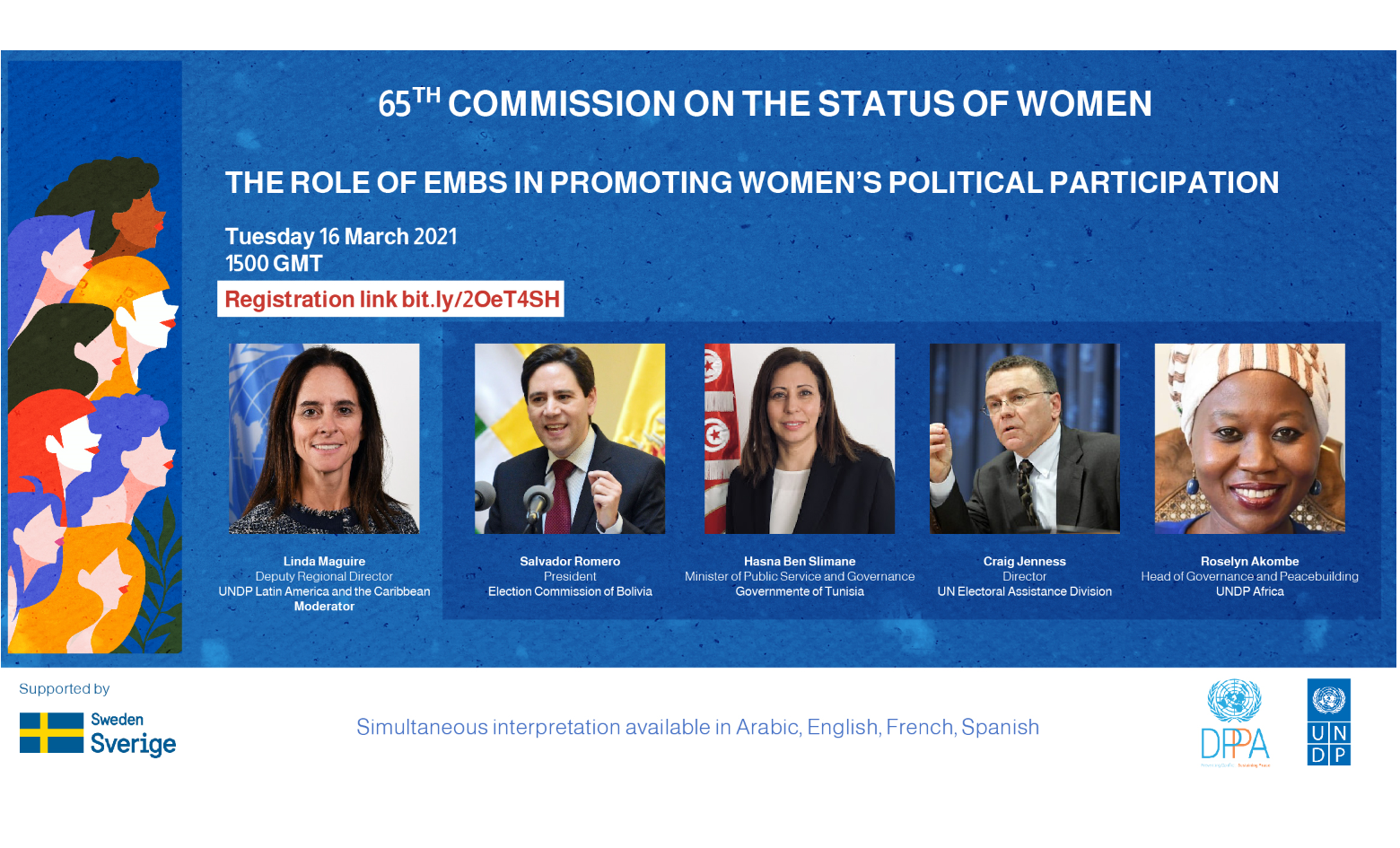
This virtual event, co-organized by UNDP and the Electoral Assistance Division of the United Nations Department of Political and Peacebuilding Affairs
Elections in 2020 were profoundly marked by the COVID-19 pandemic, resulting in delays and cancellations, logistical challenges for candidates and election administrators and often low turnout.
Abstract
Abstract